
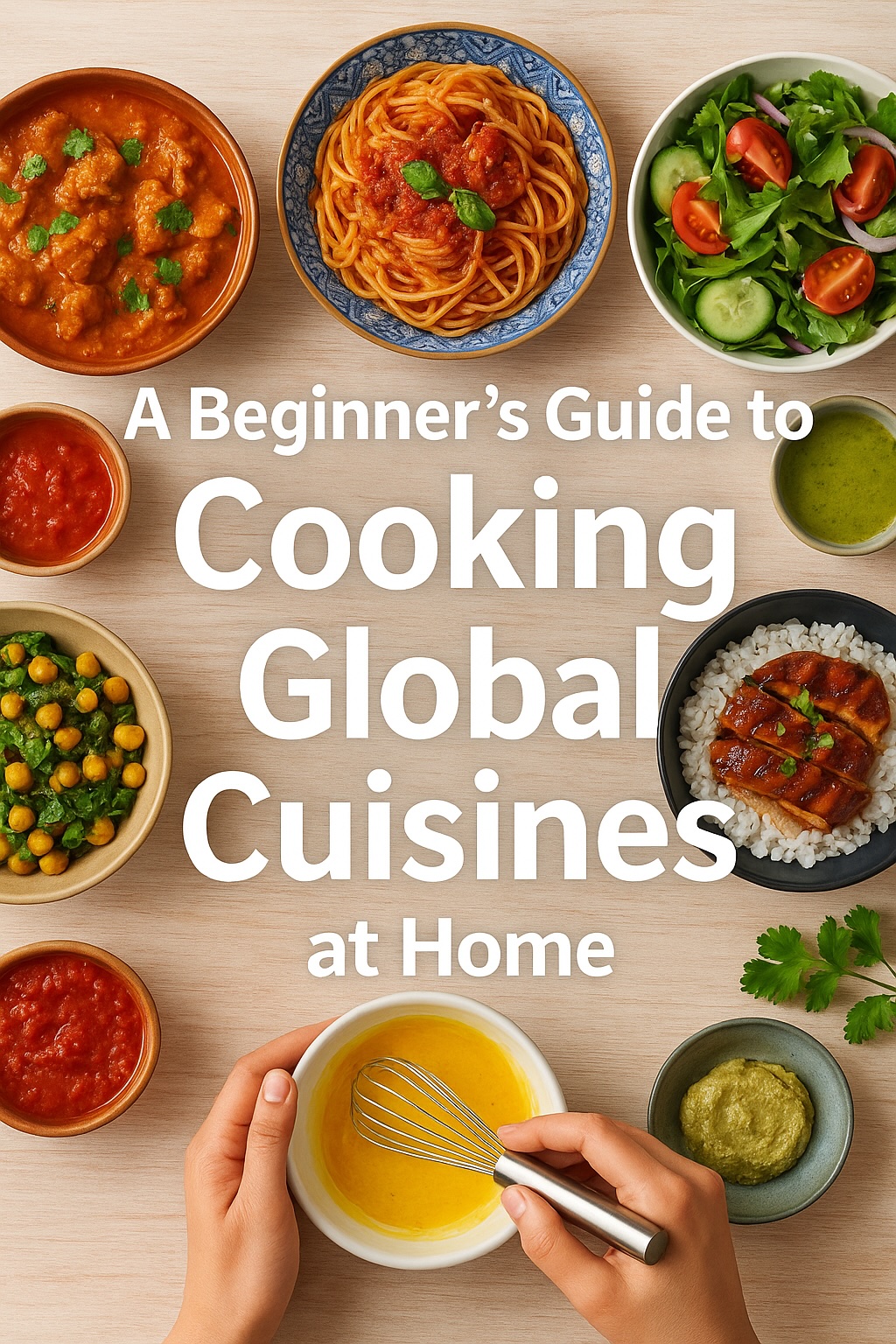
Have you ever wanted to travel the world through food without leaving your kitchen? Cooking global cuisines at home is one of the most rewarding ways to expand your palate, learn about other cultures, and bring exciting new flavors to your table. Whether you’re curious about fragrant Indian curries, fresh Mediterranean dishes, or comforting Japanese ramen, this beginner’s guide will help you take the first steps toward mastering international recipes.
Why Explore Global Cuisines?
Cooking international recipes at home isn’t just about making delicious meals—it’s about discovering traditions, ingredients, and cooking techniques from cultures around the world. Here are some reasons to start today:
- Expand your palate: Try new spices, herbs, and flavor profiles.
- Cultural appreciation: Learn about the stories and customs behind each dish.
- Healthier meals: Many world cuisines emphasize fresh produce, grains, and lean proteins.
- Family connection: Cooking together can spark curiosity and encourage adventurous eating, especially for kids.
Essential Pantry Staples for Global Cooking
Before diving into international recipes, it helps to stock a versatile pantry. These staples will let you cook dishes from multiple cuisines:
- Spices & Seasonings: Cumin, turmeric, paprika, coriander, curry powder, chili flakes.
- Condiments & Sauces: Soy sauce, fish sauce, olive oil, sesame oil, tahini, harissa.
- Grains & Legumes: Basmati rice, couscous, lentils, quinoa, chickpeas, pasta.
- Herbs: Fresh cilantro, parsley, mint, basil, dill.
With these basics on hand, you’ll be ready to try recipes from India, the Middle East, Asia, Africa, and beyond. Take a deeper look in to stocking your pantry here.
Choosing Your First Global Recipes
If you’re new to cooking international food, start with approachable recipes that use familiar techniques. Here are some beginner-friendly dishes to try:
- Italian: Classic spaghetti with homemade marinara.
- Mexican: Chicken tacos with fresh salsa.
- Indian: Easy chicken curry or lentil dal.
- Japanese: Teriyaki chicken with steamed rice.
- Middle Eastern: Hummus and pita bread.
These dishes don’t require hard-to-find ingredients and can help build your confidence.
Tips for Cooking International Recipes at Home
- Start simple. Don’t jump straight into the most complex dish—pick something with ingredients you can find locally.
- Learn the flavors. Each cuisine has “signature” ingredients. For example, lemongrass in Thai food or cumin in Mexican cooking.
- Invest in spices. Spices are often the key to authenticity. Buy small amounts and store them properly for freshness.
- Use substitutions wisely. If you can’t find an ingredient, research authentic substitutions. For instance, lime juice can replace tamarind in some dishes.
- Practice patience. Some recipes require marinating, slow cooking, or layering flavors over time.
Where to Find Authentic Recipes
Websites like Try World Recipes provide step-by-step instructions and cultural context for international dishes, making it easier to follow along. You can also explore cookbooks, YouTube tutorials, or even ask friends and neighbors from different cultural backgrounds for family recipes.
Final Thoughts
Cooking global cuisines at home is more than just making dinner—it’s an adventure. By starting with pantry staples, choosing simple recipes, and practicing with patience, you’ll soon find yourself confidently recreating dishes from around the world. Each meal becomes a journey, introducing you and your family to the rich flavors and traditions of international cooking.
So, grab your apron, stock your kitchen, and start exploring the world one recipe at a time!